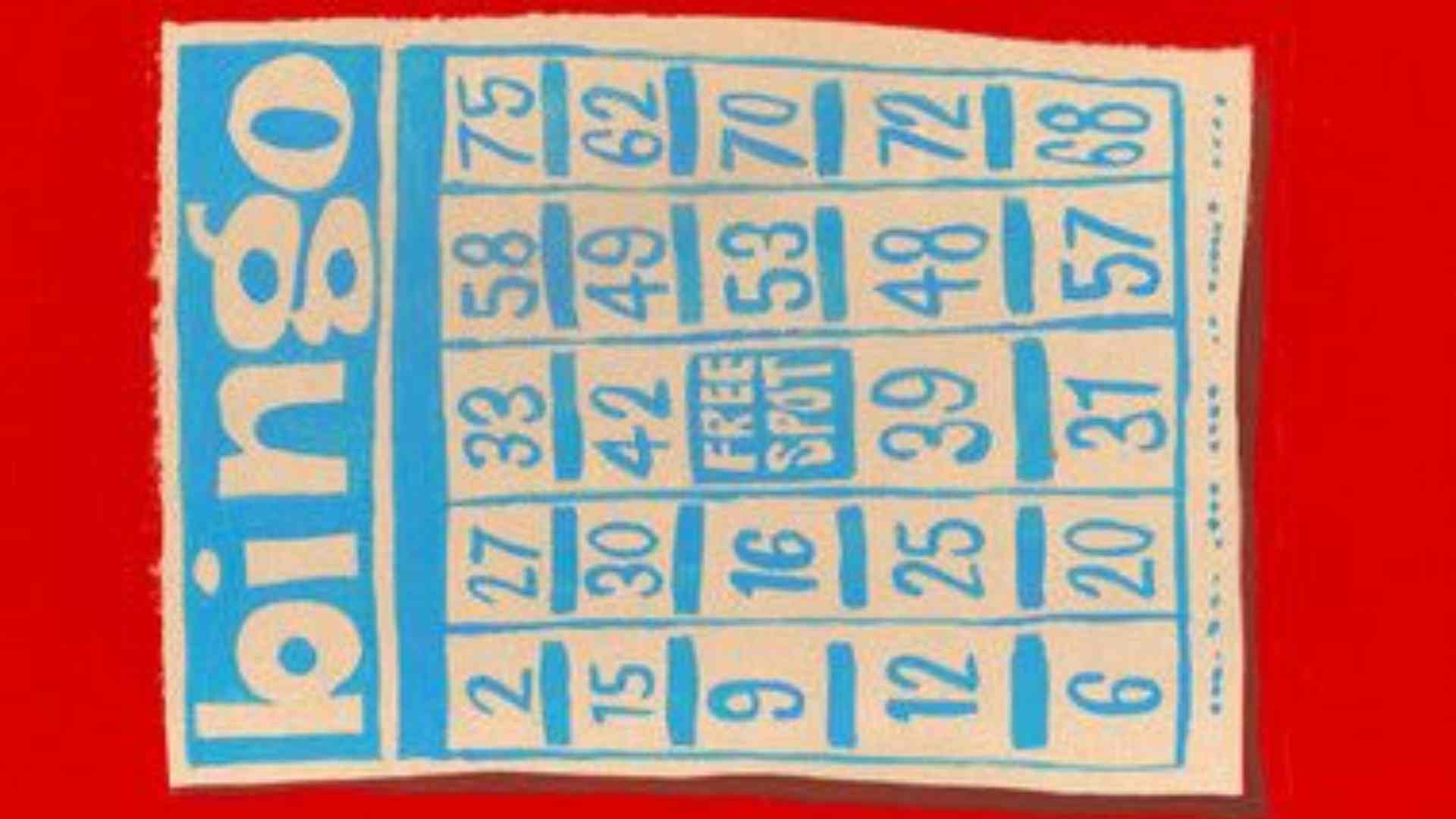
Engaging with activities governed by mathematical chance provides an exceptional framework for developing strong cognitive habits. Far from being simple pastimes that rely purely on luck, these exercises require participants to evaluate shifting variables and calculate risk in real time. Over time, practicing these structured challenges trains the human brain to move past emotional reactions and make decisions based on objective data distribution.
The Core Connection Between Chance and Analytical Reasoning
Probability games serve as a dynamic training ground where individuals must continually process incomplete information. Every turn or randomized action introduces fresh datasets that force players to revise their tactical frameworks immediately. This ongoing process helps build cognitive flexibility and sharpens general mathematical literacy in real-world scenarios.
By forcing the mind to look past short-term variance, these activities encourage long-term strategic planning. Players learn to identify recurring trends hidden beneath seemingly chaotic outcomes rather than treating each event as completely unpredictable. This structured approach shifts the player's perspective from basic intuition to robust quantitative assessment.
Evaluating Risk and Reward Distribution
Understanding the exact relationship between independent and dependent variables is a critical component of advanced logical training. Many traditional tabletop challenges require participants to calculate expected value before committing to a specific decision path. This objective comparison between potential losses and gains builds a deeply disciplined mindset.
When exploring various modern platforms to study these numerical models, utilizing a specialized portal like M88 toto can offer an interactive environment to witness statistical mechanics firsthand. Observing how virtual software replicates random events helps enthusiasts decouple personal feelings from statistical realities. Developing this familiarity with uncertainty is an excellent step toward building superior practical problem-solving capabilities.
Overcoming Psychological Biases Through Play
One of the greatest benefits of probability exercises is their ability to systematically expose common mental traps like the gambler fallacy. Many people naturally assume that previous independent events influence future results, which leads to flawed decisions. Consistently tracking data distributions during gameplay successfully helps individuals dismantle these deeply ingrained cognitive errors.
Replacing emotional guesswork with rigorous probability formulas allows players to navigate complex situations with greater clarity. This habit of systematic reflection ensures that decisions are driven by factual layout rather than simple superstition. Consequently, the logical strategies mastered over the board naturally transfer into everyday personal and professional scenarios.
Practical Exercises for Cognitive Improvement
Incorporating simple dice metrics or advanced card mechanics into a learning routine is a highly effective way to stimulate analytical thinking. Beginners should focus entirely on tracking outcome frequencies and calculating basic percentage distributions over extended play sessions. This active engagement transforms abstract textbook theories into physical, memorable learning milestones.
Ultimately, these interactive challenges present a safe and highly engaging arena for testing logical boundaries without real-world financial consequences. Embracing the science of uncertainty teaches individuals to view unpredictable environments as solvable equations. With regular practice, navigating daily statistical dilemmas becomes both highly structured and intellectually rewarding.